Restaurants: food & wine pairings and tasting menus to lift
A practical playbook to raise restaurant average check with food & wine pairings and tasting menus: pricing, menu structure, service scripts, KPIs and checklist.
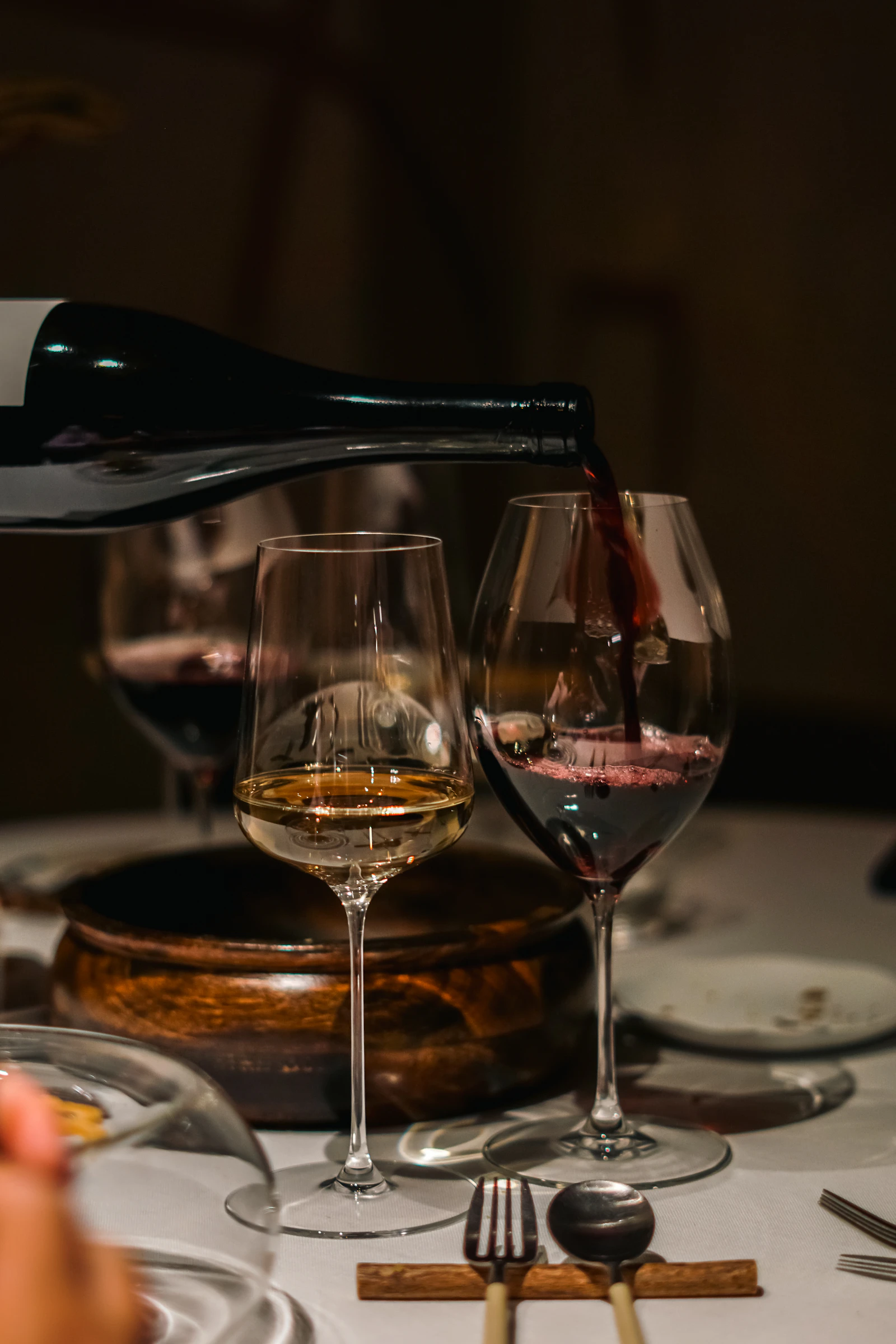
Raising the average check isn’t just about “selling more wine.” It’s about a clear offer, a coherent experience, and simple choices for the guest. Food & wine pairings and tasting menus are among the most effective levers: they increase perceived value, reduce hesitation, and protect margins.
This guide lays out a pragmatic method to build pairings and tasting formats that increase the bill while keeping service smooth and satisfaction high.
1) Designing pairings that sell: 3 design rules
Rule 1 — Reduce decision fatigue
A guest who hesitates over wine often ends up ordering a “safe” glass (or nothing). Your goal: turn the choice into an option.
- On the menu, replace “Which wine?” with “With or without pairing?”
- Offer 2 tiers max:
- Classic Pairing (safe bet)
- Premium Pairing (discovery / more niche cuvées)
Realistic example (5-course menu)
- Menu: 52 €
- Classic Pairing: +26 € (5 glasses of 7–8 cl)
- Premium Pairing: +39 € (5 glasses, 2 higher-tier cuvées)
Even if only 35% of guests take a pairing, the impact is strong:
- 40 covers/day × 35% × +26 € = +364 € / day in beverage revenue (minimum)
Rule 2 — Target a beverage margin, not a “multiplier”
Set a gross beverage margin by format (glass / half-bottle / pairing). A common target in restaurants: 70–78% depending on positioning.
Simple method (a glass within a pairing)
- Wine cost per glass (8 cl): 1,10 € to 1,80 € (depending on purchase price)
- “Pairing” price per glass: 5,20 € to 7,80 €
- Target gross margin: ~75%
Price your pairing from the total cost of goods (sum of the 5 pours), not by gut feel.
Rule 3 — Offer a clear promise, not an oenology lecture
Pairings sell better with a sensory promise (texture, freshness, balance) than with a lesson.
Effective phrasing:
- “Freshness and lift pairing: taut, aromatic wines that brighten the sauces.”
- “Indulgent pairing: more body, light aging, spicy finish.”
2) Structuring a tasting menu that raises the check (and satisfaction)
The winning trio: menu + pairing + premium option
A tasting menu is a natural “ramp” into the pairing. The key is to package.
Recommended architecture
- Tasting menu (4 or 5 courses): a profitable entry price
- Pairing (standard): +40 to +60% of the menu price
- Premium pairing: +70 to +90%
- Thought-out non-alcoholic option: +25 to +45% (important to include every guest)
Worked example (bistronomic positioning)
- 4-course menu: 46 €
- 4-glass pairing: +22 € (total 68 €)
- Premium Pairing: +32 € (total 78 €)
If 50% of tables take a pairing (standard or premium) and the average upsell is +26 €:
- 30 covers/day × 50% × 26 € = +390 €/day
Reduce operational breakage: 2 constraints to set
- Max 2 pairings per menu (standard/premium). Beyond that, service gets complicated.
- Max 6 “pairing-friendly” wines by the glass in rotation (including 1 sparkling). You keep control of stock and pace.
The trick that boosts perceived value
Start the pairing with a small welcome pour (5 cl):
- Crémant/Champagne depending on your range, or a bright local white
- Controlled cost (small measure)
- Instant “experience” effect
You can include it in the premium pairing, or offer it at +6–8 € when ordering (a very strong trigger).
3) Smart pricing: anchoring, options and psychological thresholds
Anchoring: premium makes standard feel “reasonable”
A well-positioned premium pairing (e.g., +39 €) mechanically increases uptake of the standard (e.g., +26 €). Premium shouldn’t be rare: target 15–25% of pairings.
Clear (and owned) price steps
Avoid “weird” prices on bundles: guests accept simple logic more easily.
Good pattern
- +24 / +36 / +48 (depending on number of glasses)
- or +26 / +39 (standard/premium)
“3-glass pairing” for lighter appetites
Not everyone wants 5 glasses. A shorter format increases conversion.
Example:
- 3-glass pairing: +18 €
- 5-glass pairing: +26 €
You capture hesitant guests without cannibalizing (some will still move up to 5 glasses).
4) Setting the team up to win: short scripts and service moves
A good pairing sells in 12 seconds
Goal: offer, frame, let them choose.
Field-tested scripts:
- “We have a 4-glass pairing designed to match each plate: +22 €. Would you like the pairing, or would you rather choose à la carte?”
- “We can do classic or premium: classic is fresher, premium is more gastronomic. Want me to recommend one based on what you like?”
One question that increases take rate
Instead of “Would you like wine?”
- “Do you prefer white, red, or a mix?”
It presupposes the purchase without being pushy.
Micro-training (30 minutes): just what you need
- 1 sentence per wine (profile + why it works)
- 1 alternative if the guest declines (a signature glass)
- 1 rule: never over-explain unless the guest asks
Simple indicator: if the team can’t summarize a wine in 10 words, it’s too long.
5) Managing by numbers: KPIs and fast adjustments
Without tracking, the pairing becomes a “nice intention.” Follow 5 weekly indicators:
1) Pairing take rate = number of pairings / number of tasting menus
- Realistic target: 35–60% depending on concept
2) Standard vs premium mix
- Premium target: 15–25% of pairings
3) Pairing COGS (€/pairing)
- Keep a range (e.g., 6,50–9,50 €) based on your pricing
4) Beverage revenue / cover
- Measure before/after rollout (goal: +4 to +10 € / cover)
5) By-the-glass losses (oxidation, bottoms)
- Adjust references, invest if needed in more reliable preservation
Concrete adjustment example
- If take rate is good but margin drops: replace 1 expensive wine with a high-identity “value” wine (local grape, well-known producer, neighboring appellation) and keep the same taste promise.
To go further with a structured approach (offer, pricing, scripts, tracking), you can use the resource Restaurant Growth.
---
Operational checklist (printable)
- [ ] I have 1 clear tasting menu (4 or 5 courses) with a coherent price
- [ ] I offer 2 pairings max: standard + premium
- [ ] I also have a short pairing (3 glasses) or a non-alcoholic alternative
- [ ] Each pairing has a calculated COGS and a defined target margin
- [ ] The menu communicates a simple promise (fresh/indulgent/discovery)
- [ ] The team has 1 sales line and 1 pairing line per wine
- [ ] I track weekly: take rate, premium mix, beverage revenue/cover, losses
- [ ] I rotate 5–6 “pairing-friendly” wines by the glass, no more
Conclusion
Food & wine pairings and tasting menus increase the average check when they’re treated like a product: a promise, two easy-to-read options, coherent pricing, and simple execution for the team. Start small (one menu, two pairings, 5–6 by-the-glass wines), manage over 4 weeks, then iterate. Most restaurants see a lasting increase in beverage revenue per cover, without harming the experience—quite the opposite: it becomes smoother and more memorable.
Frequently asked questions
What percentage of guests should you target for food & wine pairing uptake?
A realistic target is 35–60% of tasting menus depending on the concept, price level, and clientele. To start, aim for 40% with a maximum of 2 pairings (standard/premium) and a systematic offer script.
How many by-the-glass wines do you need to run a strong tasting menu?
In practice, 5 to 6 “pairing-friendly” references are enough (including 1 sparkling). Beyond that, you increase losses, complicate service, and reduce offer clarity.
How do you price a pairing without getting it wrong?
Calculate the total COGS of the pairing (sum of the pours) then apply a target gross margin (often 70–78%). Then check guest acceptability: the standard pairing often sits at +40–60% of the menu price, the premium at +70–90%.
What if guests refuse the full pairing?
Offer a shorter format (e.g., 3 glasses) and a simple alternative: “a signature glass” recommended based on the main course. You capture hesitant guests without pushing, while keeping service pace.