Restaurants: build a profitable wine list that sells itself
Build a profitable, easy-to-sell restaurant wine list: smart structure, clear price tiers, tight selection, by-the-glass strategy, and stock control.
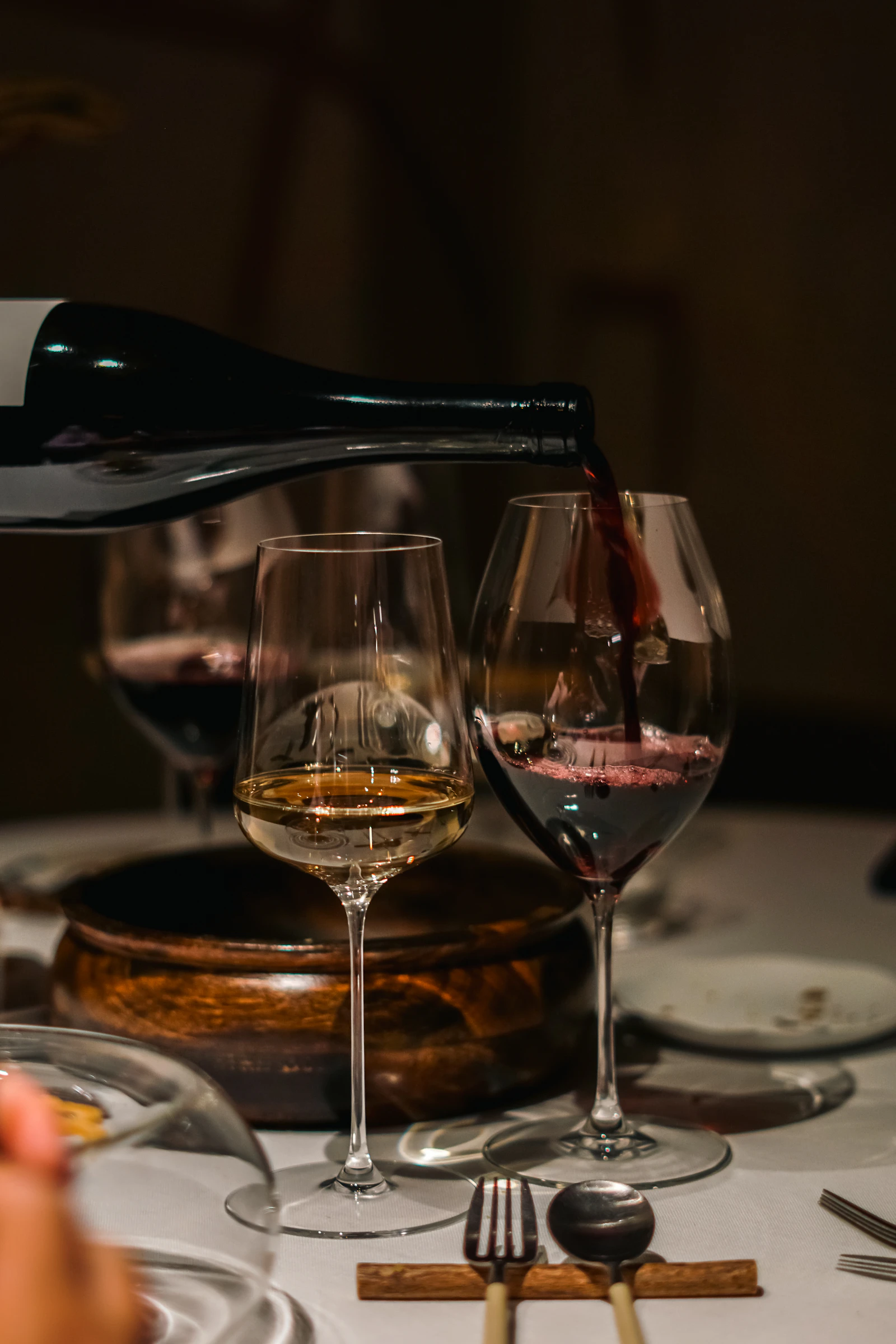
A profitable wine list doesn’t have to be long, geeky, or “impressive.” In a restaurant, it should above all sell easily, protect margin, reduce cash tied up in inventory, and help the floor team guide choices in just a few sentences. Here’s a concrete method designed for real-world constraints (turnover, seasonality, cash flow, rotating staff).
1) Start with the menu and average check (not regions)
A wine list is a sales tool serving one objective: grow beverage revenue without slowing down service.
Actionable: define 3 numbers before choosing a single bottle:
- Target average check (incl. VAT): e.g., 38 €.
- Target beverage rate (beverage / total revenue): e.g., 18–22% depending on positioning.
- Wine mix: wine share within beverages, and the split between glass vs bottle.
Realistic example:
- 80 covers/day, average check 38 € → daily revenue ≈ 3 040 €.
- Beverage target 20% → 608 € beverages/day.
- Wine target = 65% of beverages → 395 € wine/day.
- If 60% by the glass / 40% by the bottle → 237 € by the glass and 158 € bottles.
These targets give you a compass to size your list: if you want to sell 30–40 glasses/day, your by-the-glass offer must be stable, easy to read, and profitable.
2) Build a list architecture that’s “easy to decide from”
A list that’s hard to read sells poorly. Guests don’t want to “study,” they want to choose fast.
Principle: structure the list like a menu: simple paths, 2 to 4 choices per segment.
An architecture that works (and sells)
- By the glass (6–10 selections): 2 whites, 1 rosé, 2 reds, 1 sparkling + 1 rotating “discovery.”
- “Essentials” bottles (12–18): reliable best-sellers that cover 80% of sales.
- “Pleasure / Premium” bottles (6–12): trade-up options, higher margin in value, image builders.
- No/low alcohol (2–4 options): useful to increase beverage rate.
Readability tip: replace long lists with taste signposts.
- Whites: “zesty & saline,” “round & generous”
- Reds: “fruity & supple,” “spicy & structured”
On-the-floor effect: you reduce friction: the server asks 2 questions (“more zesty or more generous?” “more supple or more structured?”) and suggests 2 bottles.
3) Set prices that protect margin (without killing sales)
Profitability doesn’t come only from a multiplier. It comes from consistent tiered pricing.
The simple rule: margin in euros + psychological price steps
- Entry level: lower margin in euros, high rotation.
- Mid-list: strong margin in euros.
- Top-end: higher margin in euros, but coherent (otherwise it won’t move).
Worked example (incl. VAT):
- Purchase 7 € ex VAT (8,40 € incl. VAT) → sell 24–26 € incl. VAT (margin ≈ 16–18 €)
- Purchase 12 € ex VAT (14,40 € incl. VAT) → sell 34–39 € incl. VAT (margin ≈ 20–25 €)
- Purchase 22 € ex VAT (26,40 € incl. VAT) → sell 55–65 € incl. VAT (margin ≈ 29–39 €)
By the glass: work backwards
Goal: make the bottle profitable even if you don’t sell it entirely by the glass (waste, last pours, breakage, staff tastings).
Quick method:
- Define the pour size: 12 cl (standard) or 10 cl (more premium/controlled).
- Set a target: 4 glasses must pay for the bottle.
Example: bottle purchased at 9 € ex VAT (10,80 € incl. VAT). If you pour 12 cl (≈ 6 glasses/bottle), you can target:
- Glass price: 6,50–7,50 € incl. VAT
- At 4 glasses sold: 26–30 € incl. VAT revenue, bottle covered + margin.
Result: you secure by-the-glass profitability, even with imperfect turnover.
4) Select less, but better: 70% of sales from 20% of the list
An oversized list creates slow movers and ties up cash. The goal: controlled depth on fast movers, and managed rotation for everything else.
The 3 categories to define
- Pillars (60–70% of sales)
- 8 to 12 selections max.
- Always in stock.
- Only replaced after testing and validation.
- Season / kitchen-driven (20–30%)
- Change 3–4 times/year.
- Aligned with the menu (asparagus/fish in summer, slow-cooked dishes in winter…).
- Signature (10–15%)
- What sets you apart (a winemaker, an appellation, a method).
- You don’t need many: 4 to 8 is enough.
Sizing example (restaurant 60–100 covers/day):
- 28–40 bottle references total.
- Target stock: 8 to 12 days of sales on pillars, 4 to 6 days on the rest.
Cash-flow impact: moving from 70 references to 35, at constant stock per reference, can roughly halve cash tied up. If you had 6 000 € in stock, targeting 3 000–4 000 € is realistic without losing perceived quality.
5) Make the list “sellable”: sales scripts + simple pairings
Even the best selection won’t perform if the team can’t sell it in 20 seconds.
Give ready-to-use phrases (and make them measurable)
For each by-the-glass wine and each pillar, write 2 elements:
- 1 “taste” line: “very fruity, light, zero oak”
- 1 “pairing” line: “perfect with roast poultry and sharing plates”
Example server script:
- Guest: “What should we get in red?”
- Server: “Do you prefer something supple and fruity or more structured? With this dish, I have a supple red at 29 € that works really well, or a more intense one at 39 €.”
Create a “short by-the-glass list” that rotates without stress
- 1 “discovery” selection changes every 2 weeks.
- The rest stays stable for 6–8 weeks.
- Goal: avoid the team having to relearn everything all the time.
Tools: product sheet + flash training
Run a 20-minute tasting before service once a week:
- 4 wines tasted
- 1 line + 1 pairing + 1 alternative
- a mini quiz at the end (2 questions)
To structure all this (selection, pricing, rotation, scripts), you can rely on Restaurant Growth.
Checklist: a profitable wine list that’s easy to sell
- [ ] Average check, beverage rate, and glass/bottle mix defined
- [ ] 6–10 by-the-glass wines max, with one “discovery” reference
- [ ] 12–18 “essentials” (pillars) covering 80% of sales
- [ ] Clear price tiers (entry / mid / premium) with no awkward gaps
- [ ] By the glass: 4 glasses = bottle paid (minimum target)
- [ ] Each wine has 1 taste line + 1 pairing + 1 alternative
- [ ] Seasonal rotation planned (3–4 times/year)
- [ ] Target stock: 8–12 days on pillars, 4–6 days on the rest
- [ ] Weekly tracking: top 10 sales, slow movers, beverage margin, wastage/comp
Conclusion
A high-performing wine list isn’t an encyclopedia: it’s a simple architecture, disciplined pricing, a tight selection, and a sales method the whole team can repeat. By starting from the menu and numeric targets (rather than regions), you get a list that moves, reassures guests, and improves margin without complicating service.
Frequently asked questions
How many wines should a restaurant wine list include?
In most restaurants (60–100 covers/day), 28 to 40 bottle references are more than enough, with 6 to 10 wines by the glass. The goal is to concentrate sales on 8 to 12 pillars and avoid slow movers.
What by-the-glass price makes it profitable?
A simple rule: aim for 4 glasses to pay for the bottle (even if it contains 6). Example: a bottle at 10,80 € incl. VAT → a glass around 6,50–7,50 € incl. VAT depending on positioning and pour size (10–12 cl).
How do you avoid a wine list that’s too complicated to sell?
Limit choices per segment (2 to 4 options) and use taste signposts (“zesty”, “generous”, “supple”, “structured”). Give the team scripts: 1 taste line + 1 pairing + 1 alternative for each key wine.
How can you manage the list over time without spending too much time on it?
Set up weekly tracking (top sellers, slow movers, beverage margin, wastage/comp) and a planned rotation 3–4 times/year. Change only one by-the-glass reference every 2 weeks to keep the offer lively without throwing the team off.