Importers: speed up new listings with wine shops & restauran
Field-tested method to list new wines faster with wine shops and restaurants: targeting, 90-sec pitch, pricing, trial packs, and follow-up KPIs.
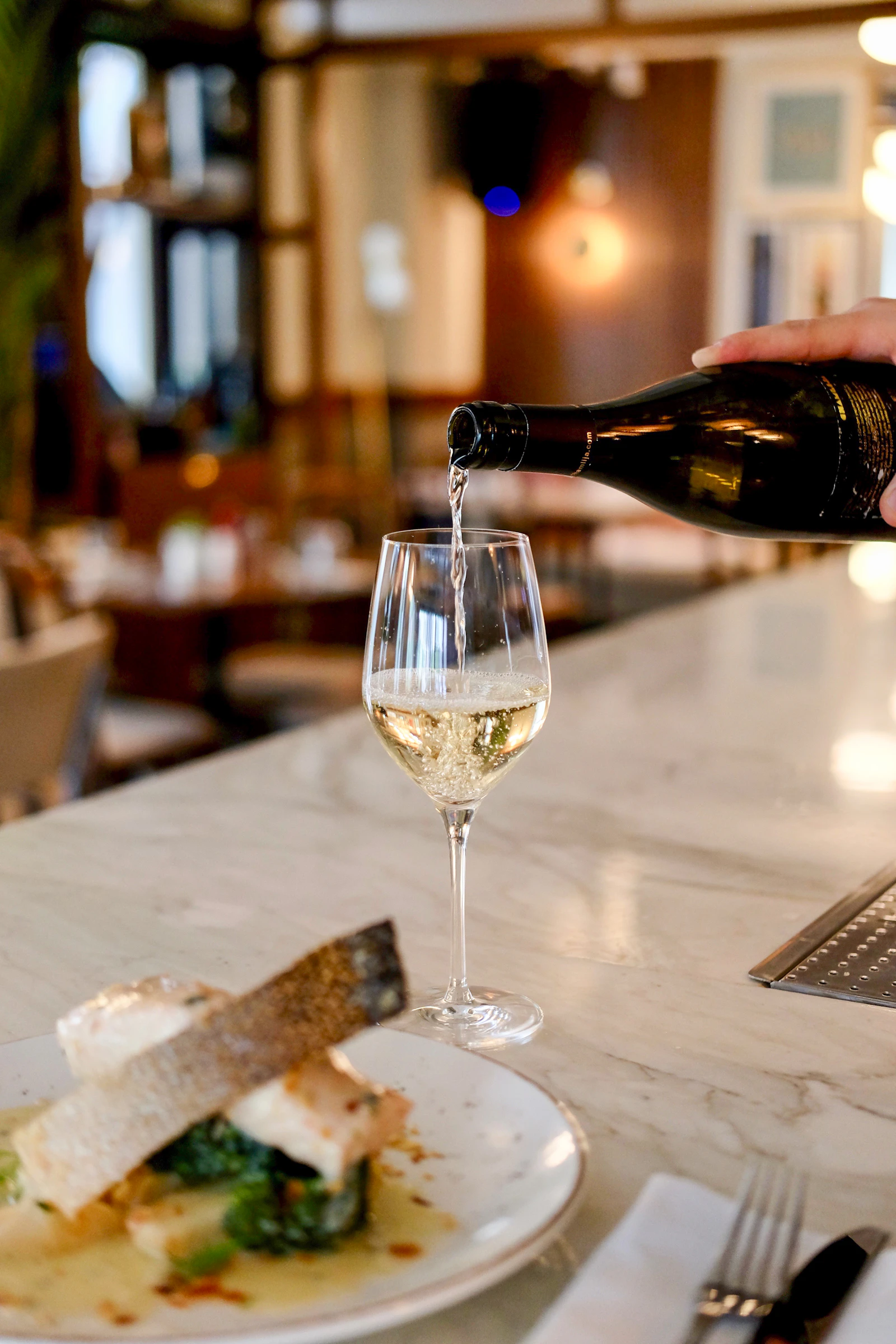
Launching a new SKU isn’t just about “finding customers.” It’s mostly about shortening the time between a verbal yes and the first re-order. With wine shops and restaurants, inertia (fixed wine lists, tight budgets, limited shelf space, lack of time) is your real competitor. Here’s a simple, measurable, repeatable method to speed up listings without burning your margins.
1) Qualify your targets: stop “spraying and praying”—prospect “aligned” accounts
Listings move faster when the venue already has a clear need: a gap in the range, a missing style, customer demand, or a margin constraint.
Segment using 3 criteria max, usable on the road:
1) Style & use case: wines by the glass, food pairings, natural, regions, grape varieties, formats.
2) Price level already practiced: shelf price incl. tax in a shop / by-the-glass and bottle prices in a restaurant.
3) Turnover & space: cellar size, number of SKUs, frequency of change.
Concrete examples
- Urban wine shop with 250 SKUs: faster listings if you propose coherent “blocks” (3–6 wines) rather than a single standalone wine.
- Restaurant with 40 seats, 40 SKUs, 8 wines by the glass: faster if your wine replaces a by-the-glass wine at end of cycle or complements a seasonal menu.
Numeric goal: before each route, show up with a list of 25 “aligned” accounts and one angle per account (e.g., “easy-drinking white < €12 incl. tax,” “gastronomy red for the signature dish,” “pet-nat for aperitif”). Simple segmentation typically cuts “wasted” meetings by 30–40%.
2) Build a 90-second listing pitch (and one message per channel)
Your counterpart isn’t buying a story; they’re buying a solution. The pitch must answer: why now, for whom, and at what risk level.
Ultra-short structure (90 sec)
- Context (1 sentence): “You already carry dry Loire/Alsace whites, but few textured whites for the table.”
- Proposal (1 sentence): “I have a dry chenin on schist, 2023, gastronomy profile, very easy to read.”
- Proof (max 2 points): simple tasting note + one verifiable differentiator (yields, altitude, aging, certification, press, allocations).
- Economics (1 sentence): trade price, expected margin, recommended retail, wine-list consistency.
- Next step (1 sentence): sample + follow-up date.
One message per channel
- SMS/WhatsApp: 2 lines, goal = get 10 minutes.
- Email: 6–10 lines, goal = book a tasting / drop-off.
- Visit: 90 seconds, goal = test in real conditions (by the glass, at the table, on shelf).
Worked numbers (wine shop)
- Import price: €6.20 ex. VAT
- Shop shelf price: €12.50 incl. tax (realistic gross margin ~42–45% depending on VAT and policy)
- Argument: “Very readable profile, perfect for your ‘easy whites’ section between €11 and €14.”
3) Make the trial easy: entry packs, terms, and “zero friction”
The main barrier to listing is perceived risk (cash tied up, space, fear it won’t sell). Your job: reduce that risk.
3 levers that really speed things up
1) Entry pack: offer a mixed case (e.g., 6 or 12 bt) rather than a single-wine case.
2) Clear thresholds: free-delivery minimum, lead times, delivery frequency, buy-back (if you do it) — written and simple.
3) Minimal sales material: 1 A5 product sheet + 1 shelf talker / wine-list line.
Packs that work (examples)
- Wine shop: “Winery discovery pack” = 3 cuvées x 2 bt (6 bt). Goal: secure 1 shelf slot + 1 staff recommendation.
- Restaurant: “By-the-list pack” = 6 bt + 1 free bottle for staff meal (if your framework allows) or staff pricing. Goal: train the team and trigger first service.
Numeric benchmark
If your meeting → listing conversion rate is 15%, moving to a clear “entry pack” offer can push it to 20–25% on aligned accounts, because the decision becomes simpler and less committing.
4) Set price as a listing tool (not a consequence)
A well-positioned price accelerates more than any speech. As an importer, your role is to ensure the wine lands right in the customer’s economics.
For wine shops: think in retail (incl. tax) price tiers
Sales often happen in mental zones: €9–11, €12–14, €15–19, €20–25, etc. Place your new items on a tier where the shop already has volume.
For restaurants: think by-the-glass and wine-list consistency
A by-the-glass wine must:
- keep food cost under control,
- be sellable in 2 sentences,
- pair with 2–3 dishes.
Realistic mini-model (restaurant)
- Purchase price ex. VAT: €7.50
- Bottle price on list: €32–38 (depending on positioning)
- By-the-glass (12.5 cl): €6.50–8.50
Speed tip: show up with 2 scenarios (glass vs bottle) and ask: “Do you see it more by the glass to drive rotation, or by the bottle to lift margin?” You turn an objection (“I don’t know”) into a binary choice.
5) Turn follow-up into a routine: speed happens after the tasting
Many listings die between “it’s good” and “we’ll order.” Your edge: short, precise, action-driven follow-up.
Simple cadence (that works in the field)
- D0: tasting / visit → send recap (price, availability, entry pack, next step)
- D2: short follow-up (closed question): “Shall we go with the 6-bottle test pack this week?”
- D7: follow-up with an alternative: “I can deliver Thursday or next Tuesday. What works best for you?”
- D21: if no decision, offer an exit: “Should I bring this back up for next season / next wine-list change?”
KPIs to track (weekly)
- # new accounts contacted
- # tastings completed
- % tasting → first order
- avg time tasting → first order (target: < 10 days)
- % first order → re-order (target: > 50% at 60 days)
To industrialize this engine (scripts, sequences, follow-ups, segment-based arguments), you can lean on Sales Activation.
Field checklist: speed up a listing in 7 points
- [ ] I defined the account’s angle (specific need + price tier)
- [ ] My pitch fits in 90 seconds and ends with a dated next step
- [ ] I offer an entry pack (6 or 12 bt, ideally mixed)
- [ ] I provide a recommended retail incl. tax (wine shop) or a glass/bottle scenario (restaurant)
- [ ] I have an A5 product sheet + a “ready-to-sell” sentence
- [ ] I schedule follow-up D2 and D7 (closed question + delivery alternative)
- [ ] I measure: conversion, lead time, and 60-day re-order rate
Conclusion
Speeding up listings isn’t about “twisting arms”; it’s about reducing friction. Segment your targets, show up with a short pitch and clear economics, make the trial easy with an entry pack, then run tight follow-up through to re-order. In this game, the importers who win aren’t the ones who talk best—they’re the ones who make the decision easiest, and who measure their lead times relentlessly.
Frequently asked questions
What’s the best first-order format to trigger a listing?
An entry pack reduces risk: 6 bottles (3 cuvées x 2) in a wine shop, or 6–12 bottles in a restaurant depending on rotation. The goal is a real test (shelf / service) followed by a quick re-order.
How do you avoid the customer saying “it’s good, we’ll see later”?
End every tasting with a dated next step: propose delivery (two time slots to choose from) and a closed question (“Shall we go with the test pack this week?”). Send a written recap the same day.
Which metrics should you track to prove listings are accelerating?
Track at minimum: % tasting → first order, avg time tasting → order (target < 10 days), and % first order → re-order at 60 days. These three KPIs reflect speed and listing quality.
How should you position price to make it easier to enter wine shops and restaurants?
In wine shops, aim for an incl.-tax price tier that already moves (e.g., €12–14) and give a clear recommended retail. In restaurants, arrive with two scenarios: by-the-glass (rotation) or bottle (margin), with coherent by-the-glass and list pricing.